Artist Interview: Guntaas Oberoi
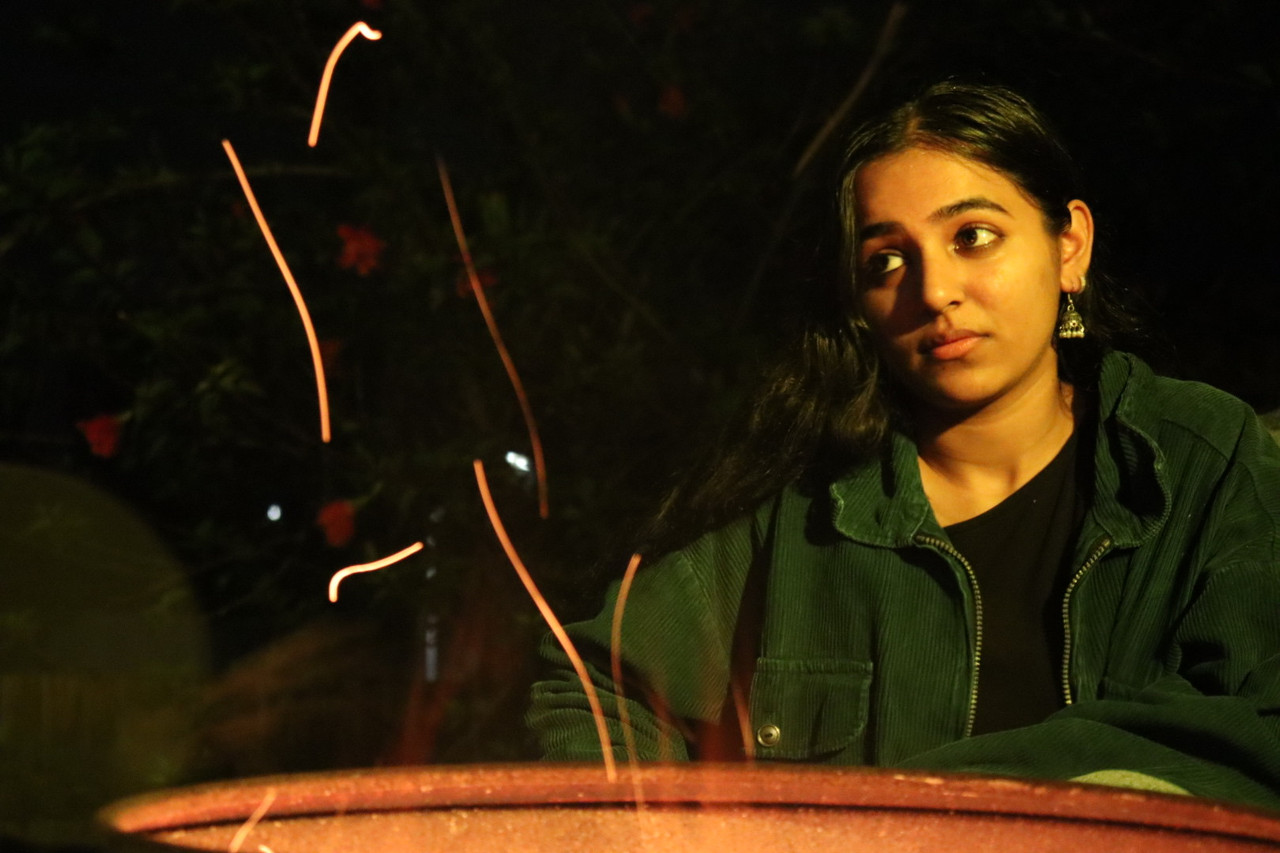
Explore the musical journey of Guntaas Oberoi, an Indo-Kiwi artist blending Indian classical melodies with Western indie-pop. From her upbringing in Auckland to her current base in Melbourne, Guntaas shares insights into her creative process, cultural identity, and the evolution of her unique sound.
Tori: Your music is described as blending Indian classical melodies with Western indie-pop. How did you first decide to fuse these two distinct musical worlds, and what challenges did you face in making the blend feel seamless and authentic?
Guntaas: I first decided to attempt to fuse these two worlds because they are both such a big part of who I am and where I grew up. I definitely grew up learning Indian classical music, but I was also drawn to writing my own songs in the indie-pop genre. Trying to weave them together was a mission—one I’m still working on improving! I really faced challenges with the melodies and figuring out how to create a sound that felt unique and more like "me"—a true blend of cultures. I’m hoping this becomes more natural with every song I create.
Tori: For a new listener, what specific Indian classical elements should they listen for to recognize your signature sound within a track?
Guntaas: I think listeners should listen for specific melodies and lilts in my songs! Again, it’s a work in progress to fuse these two parts of myself together, but those vocal ornaments are a key part of it.
Tori: Beyond the musical notes, how does your Indo-Kiwi background influence the storytelling in your indie-pop lyrics?
Guntaas: As a young kid in New Zealand, we moved houses and suburbs a lot, and I’ve moved countries twice now as well. A lot of my songwriting comes from a place of identity crisis and feeling like an outsider in what I call my home country. However, New Zealand has such a vibrant multicultural background; seeing that and being a part of it as I grew older has definitely influenced my songwriting.
Tori: What is the biggest difference in your approach when writing a melody purely rooted in Indian classical tradition versus one aimed at the modern indie-pop listener?
Guntaas: I don’t think I’ve written an English song (released or unreleased) based purely on Indian classical ragas yet. However, the main difference is that there is a set of rules you must follow if you pick a raga and decide to go with it. In a more Western style, I feel like I can mess around on the guitar or piano and just see where the music takes me.
Tori: You started your journey in Auckland, NZ, and are now based in Melbourne, Australia. How has moving across the Tasman Sea influenced your songwriting and the broader community you draw inspiration from?
Guntaas: Whew. Moving is definitely not easy. I’ve found that I feel almost nomad-like after all this moving, but it’s also helped me adapt to new people and cultures while learning about different heritages. My songwriting has become less about just my own experiences and more about the people around me—trying to put their stories into a melody.
Tori: As an Indo-Kiwi artist, do you feel a responsibility or a pressure to represent a particular cultural story, or are you focused purely on expressing your personal truth?
Guntaas: Oh, for sure. I definitely feel a responsibility to showcase both my Indian and New Zealand cultures. Sometimes it feels like I’m juggling two identities (hello, identity crisis!). But I still try to express my personal truth through my songs. Even though our individual experiences may differ, I think someone out there will find a message in my music that helps them with whatever they’re going through.
Tori: Who were your earliest and most influential musical heroes, both within the world of Indian classical music and Western pop/indie?
Guntaas: Within Indian classical music, definitely Amrita Kaur. I grew up going to her house for prayers and listening to her sing with her dad; I always wanted to be like her. Many Bollywood singers and my own Indian classical music teachers were also big inspirations. At the same time, I grew up listening to the "pop girlies"—Hannah Montana, Taylor Swift, Rihanna, Katy Perry, and Sabrina Carpenter. Both realms of music shaped me and my sound into what they are today.
Tori: If you could name one single moment—a song, a performance, or a personal experience—that defined your decision to pursue music professionally, what would it be?
Guntaas: Funnily enough, I randomly wrote a song for a New Zealand-based competition for high schoolers and became a finalist. This meant I got to record my song in a studio! Spending a whole day in the studio, seeing my song come to life, was so cool. In my head, I just thought, “This is it. This is what I want to do.”
Tori: When you sit down to write, which comes first: the emotion/story, or the musical structure/melody?
Guntaas: For some reason, I always write the lyrics first. There is always a story behind my lyrics, and that’s where I draw them from. The melody usually comes at the same time, but sometimes I really don’t like it, so I’ll come back to "fix" it later. I’ve probably changed the melody at least 8 to 10 times for every song because I’ll just think, “Nope. Ew. Redo.”
Tori: Is there a specific instrument or sonic texture you feel is essential to defining your sound and giving your music its unique gravity?
Guntaas: I don’t think there’s one specific instrument yet, especially since I'm still experimenting. However, I’d like to try out different instruments and play with textures to better blend Indian classical elements into my tracks.
Tori: What is the most challenging part of translating the complexity of classical concepts into the accessible structure of a pop song?
Guntaas: The hardest part is creating lyrics and a melody where you still feel the soul and the intonations of ragas without it feeling forced. You want it to be subtle—not purely Indian classical, but not standard indie-pop either. In Indian classical music, there is often a long buildup to create a specific feeling. Trying to fit those same emotions into the shorter timeframe of a pop song can be very tricky.
Tori: You have performed at the Moana Festival and supported Australian artist Sarah Light. What is the one thing you always hope the audience takes away from a live Guntaas Oberoi performance?
Guntaas: I love a bit of banter and sharing the stories behind my original songs to create a connection. I hope my audience leaves with a smile on their face, a connection to my lyrics, and the thought, “That was so real.”
Tori: What has been the most surprising or valuable lesson you’ve learned about the music industry since your emergence in 2021?
Guntaas: Community. Community is such a massive part of being an artist; it’s what helps you make a name for yourself and provides people who support you constantly, whether online or at live gigs. Building that community of people who resonate with who I am has been both a challenge and a highlight.
Tori: Where do you ultimately see the Indo-Kiwi indie-pop sound fitting into the global music landscape five years from now?
Guntaas: Hopefully, this kind of sound will be normalized and not just considered "niche"! It would be amazing to see more artists with large platforms creating an Indo-Western sound and embracing that "culture-clash" in a mainstream way.
Tori: What are you currently working on? Can fans expect a debut EP or album soon, and will the genre fusion continue to deepen in your upcoming releases?
Guntaas: I’m currently working on a few songs for this year—hopefully two or three, maybemore! I hope they help my community grow. I’m definitely working on deepening the genre fusion in my new releases, but in the meantime, go stream my current songs!


Comments
Post a Comment